
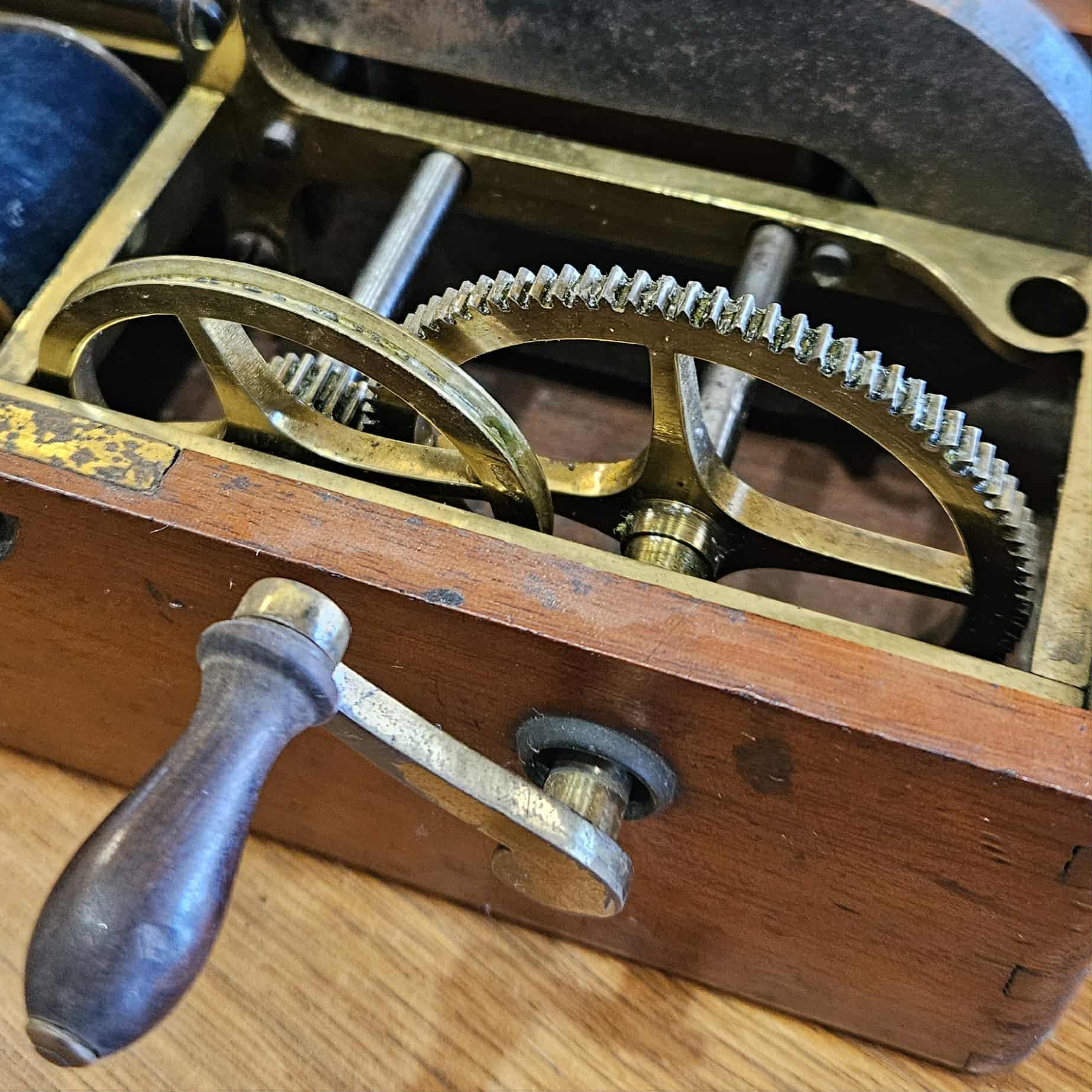
Description
The following information was taken from the Australian Powerhouse Museum site.
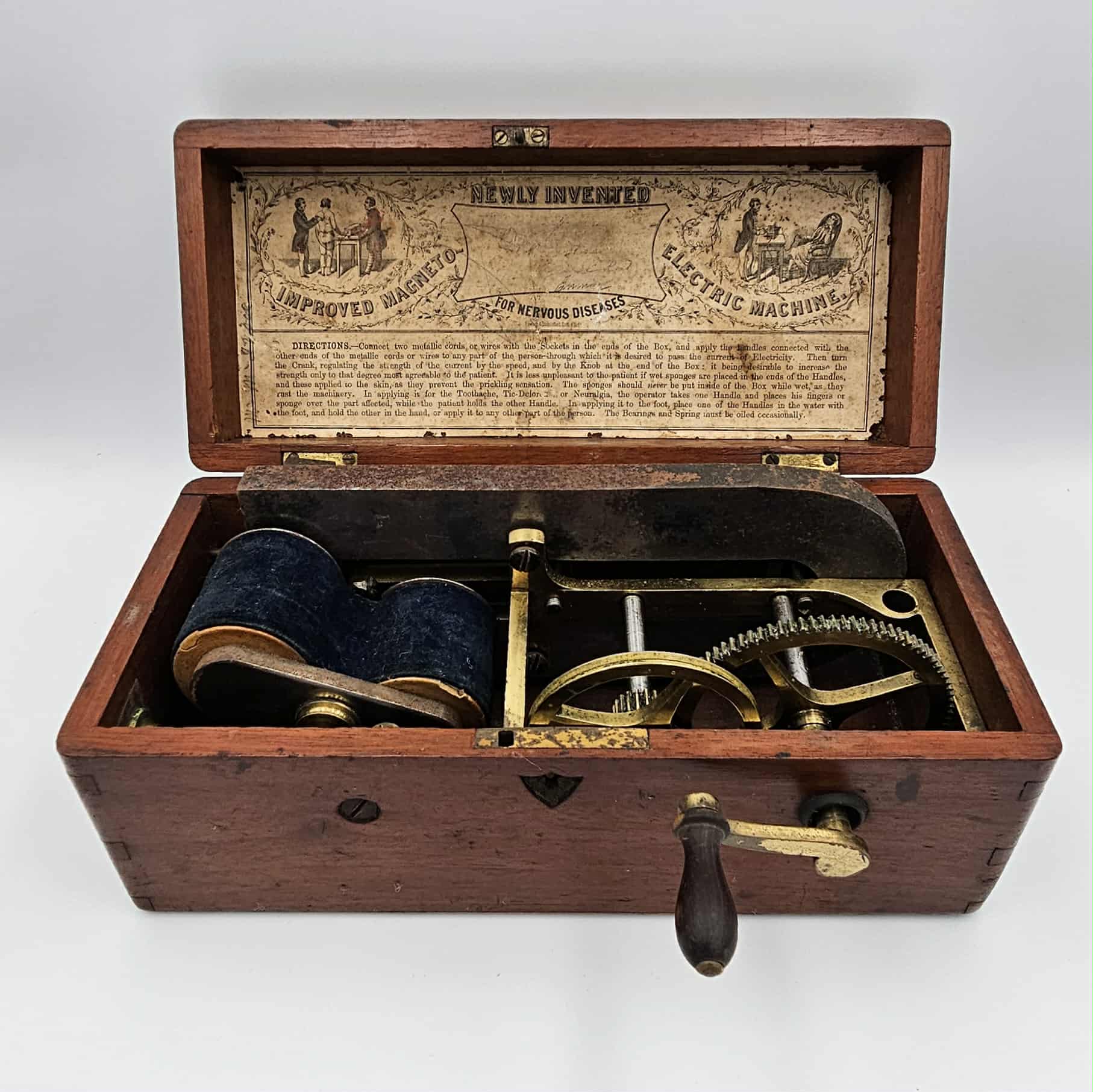
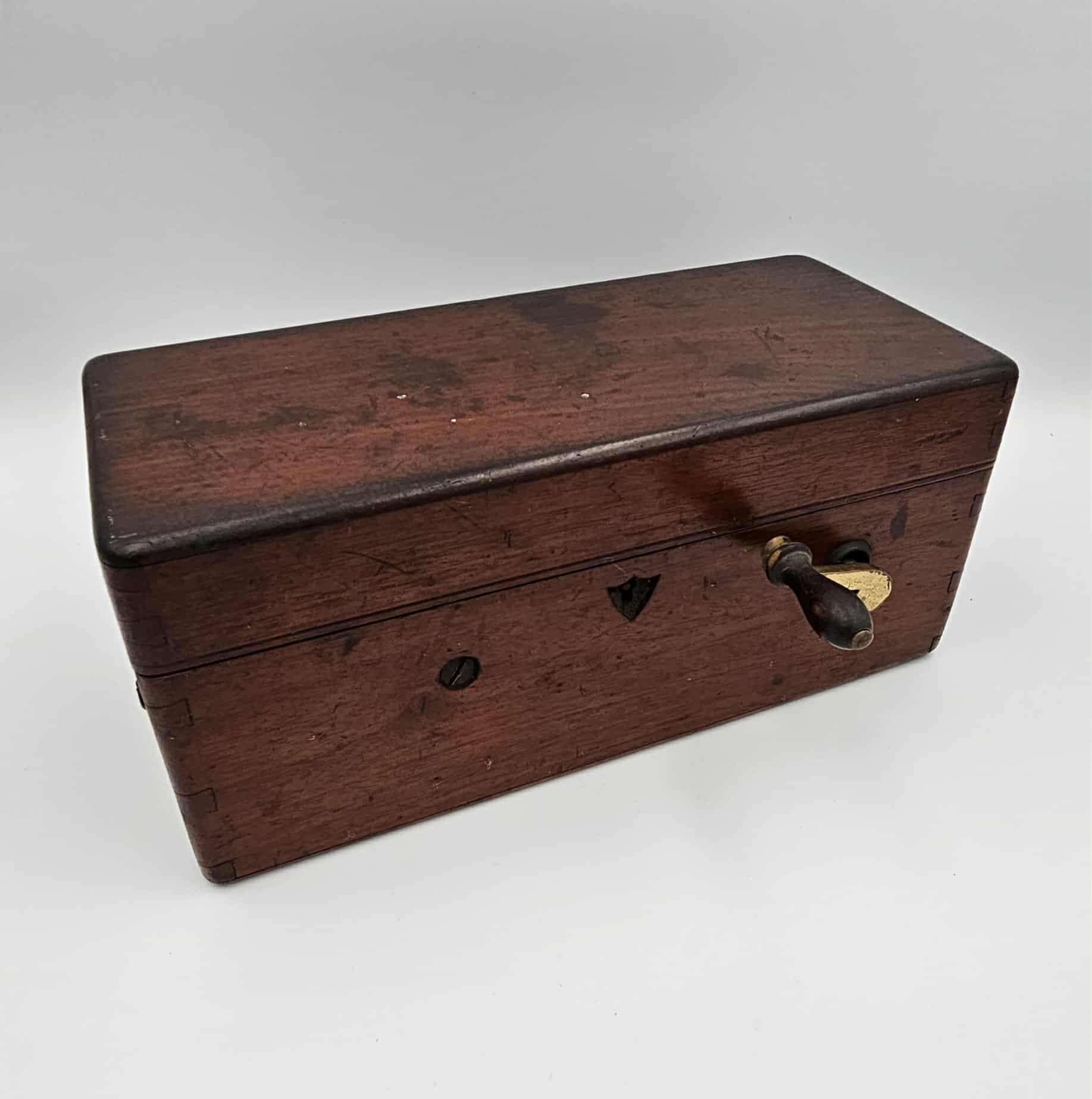
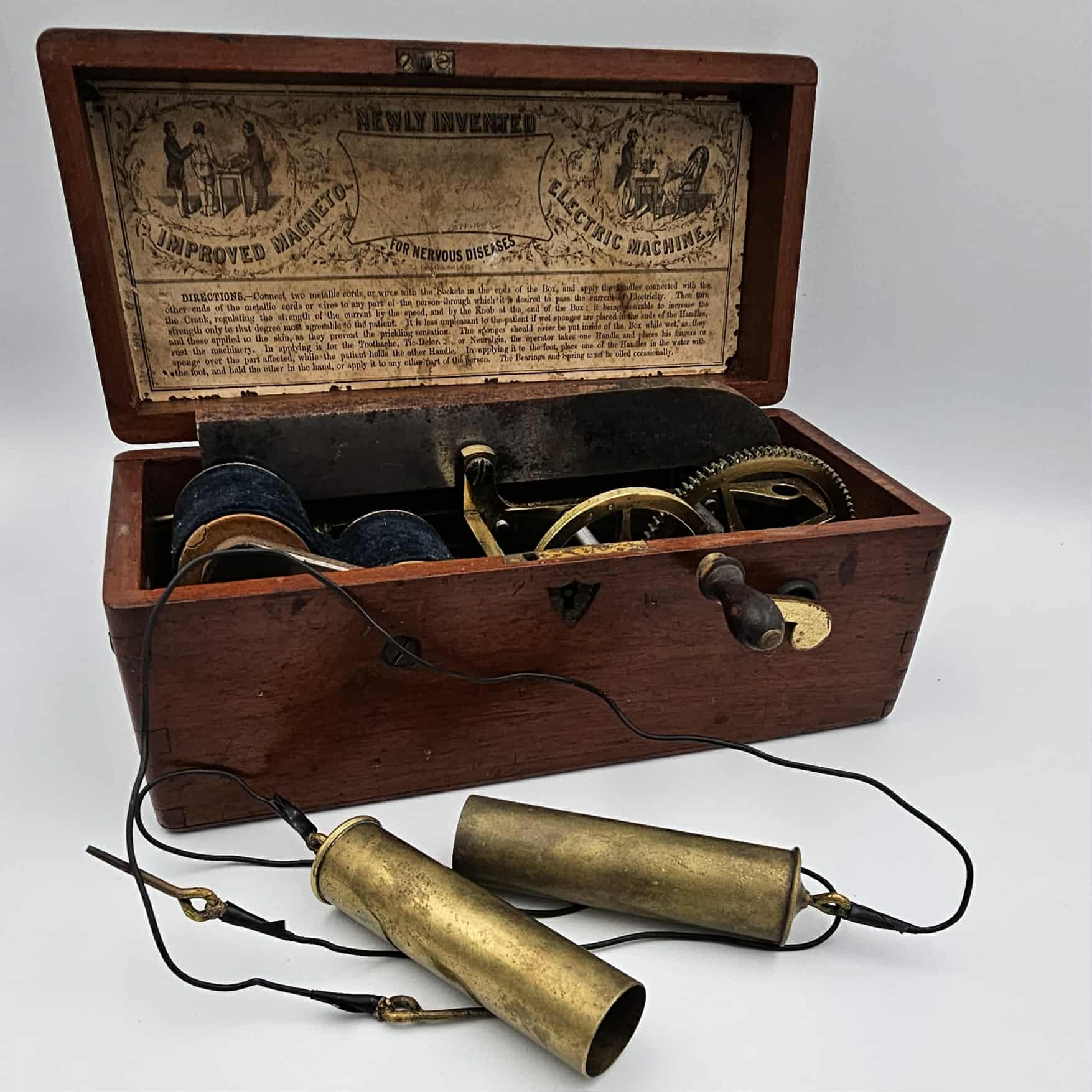
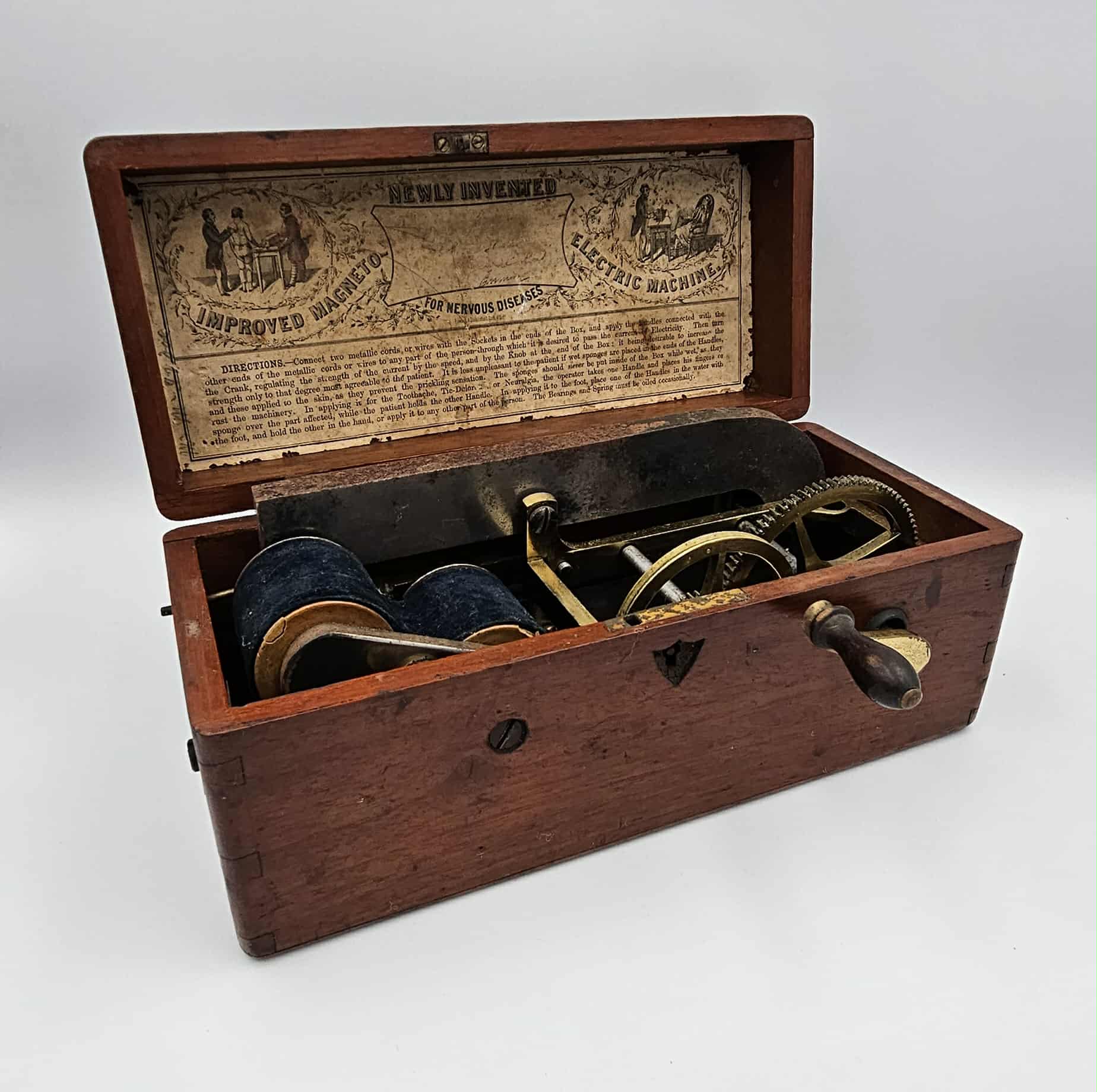
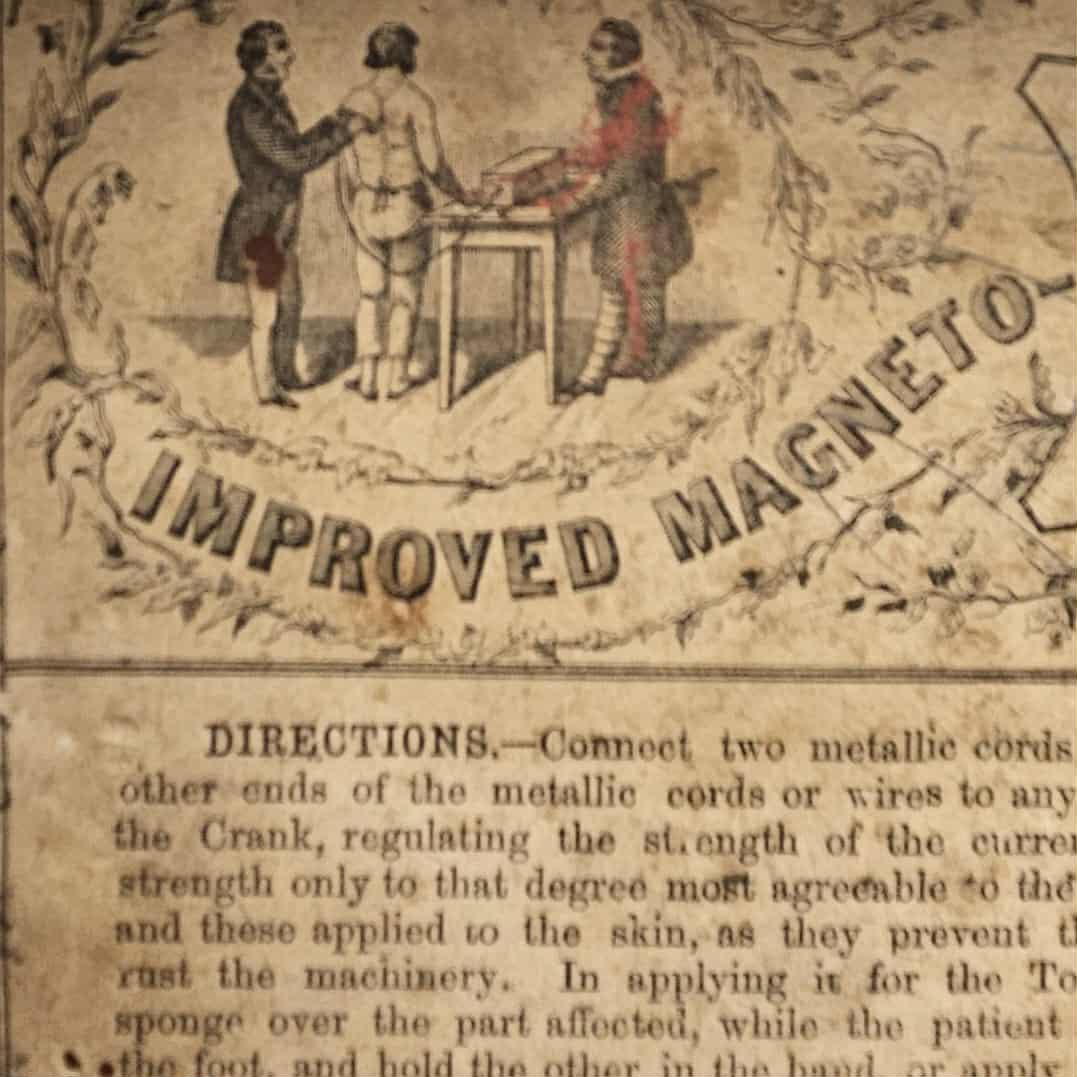
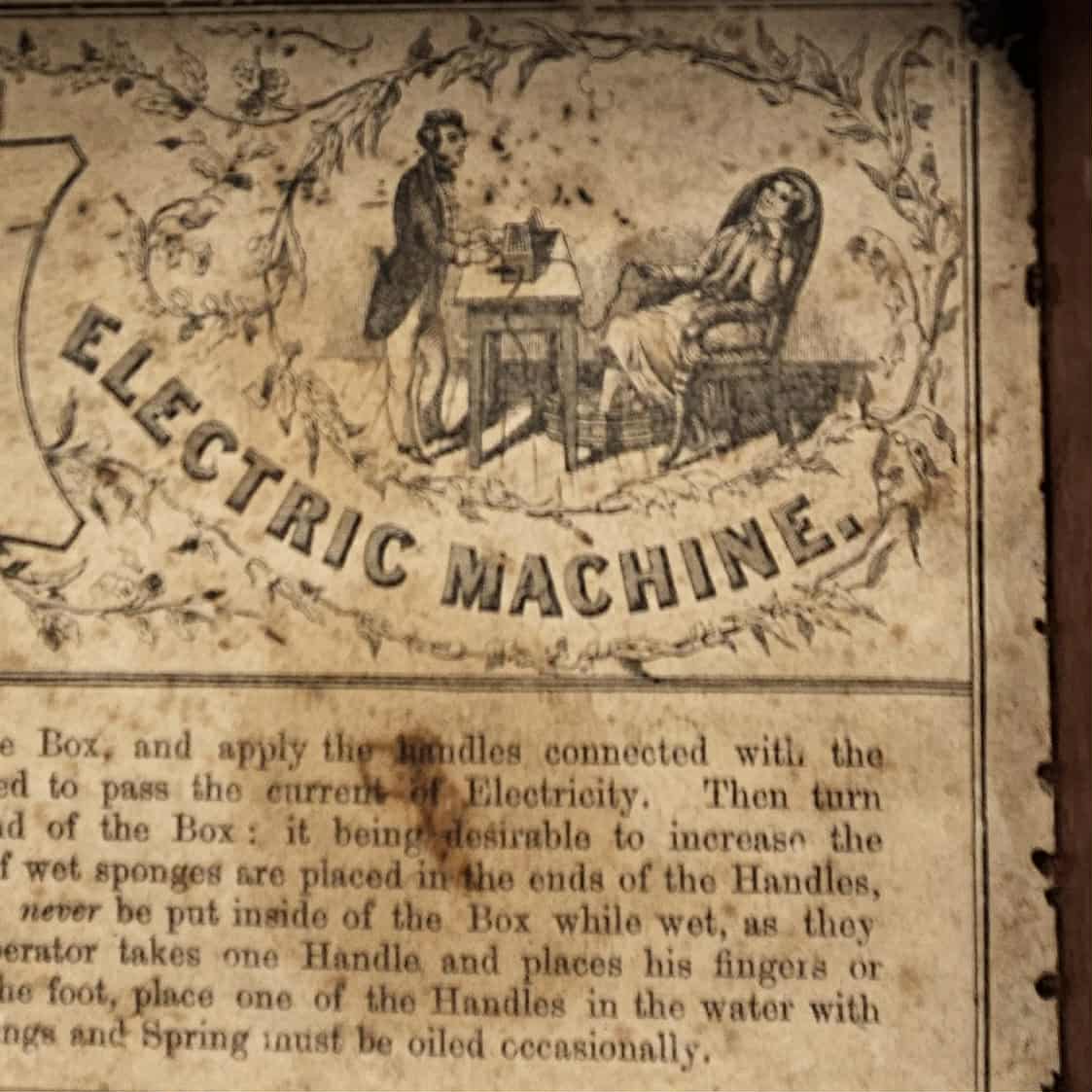
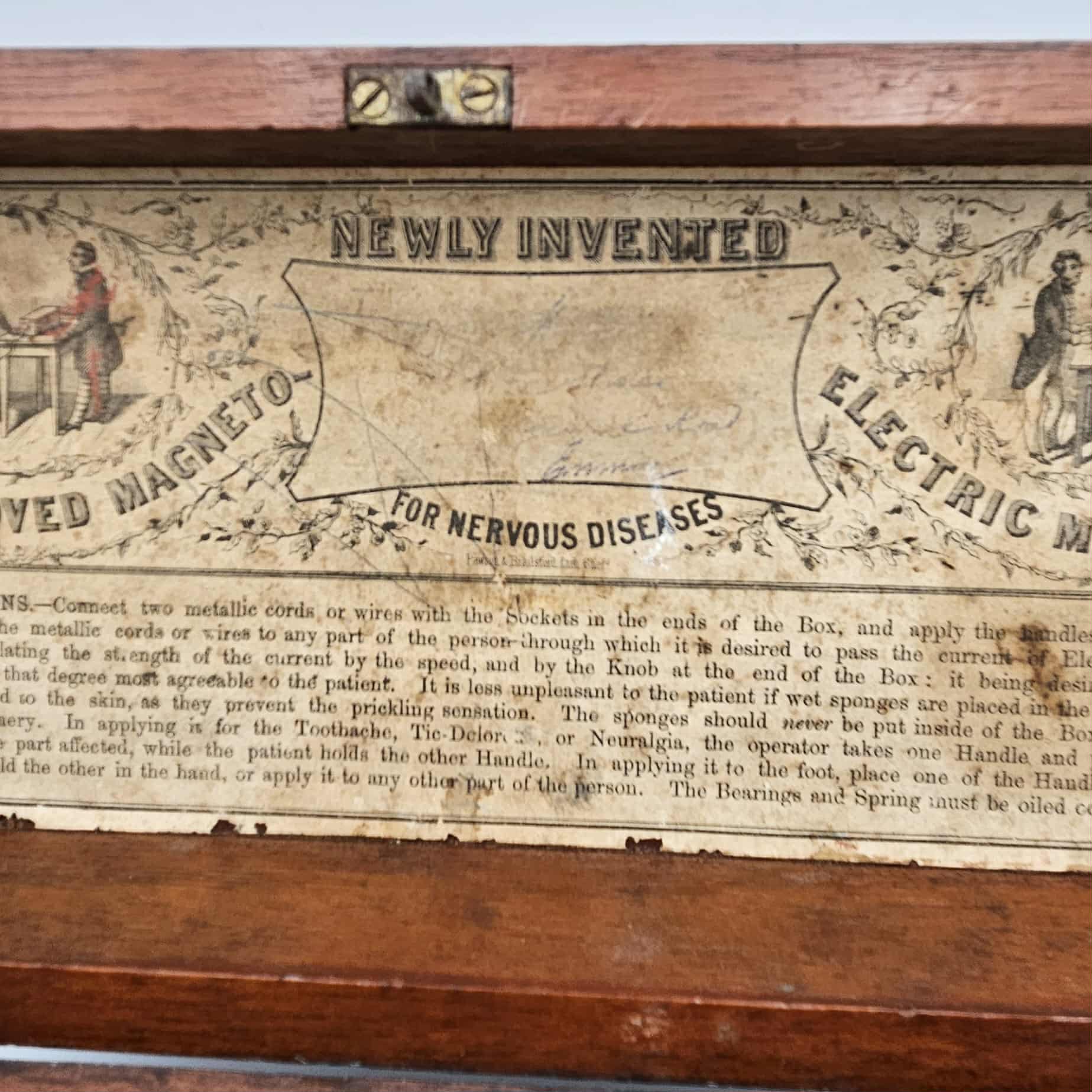
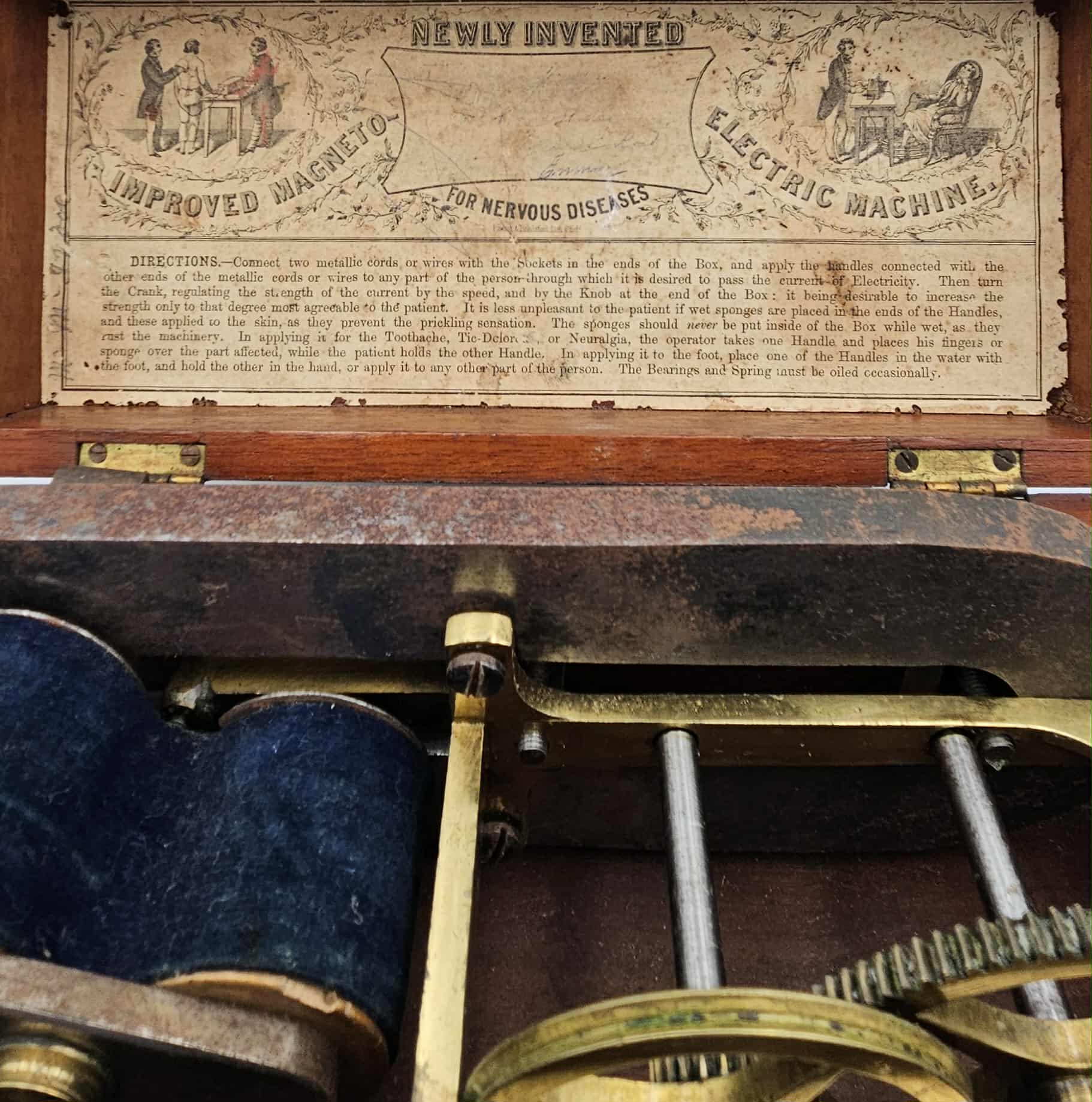
This Electric-Shock Machine is an example of medical equipment used by physicians in the late nineteenth and early twentieth- century. It was designed to deliver electric currents to the body of a patient to interact with their nervous system. During the time of production, this machine was marketed as being able to treat a myriad of serious and superficial diseases. In the late eighteenth-century, the scientific research of Luigi Galvani, which included with the effects of electricity on dissected animals, created a new field of scientific inquiry called bioelectromagnetics. The recognition that electricity affects the physiology of humans and animals alike opened the grounds for research into the effectiveness of electrotherapy. Following Galvani’s breakthrough discoveries, physicians like Giovanni Aldini were applying electric currents to the heads of patients to target severe depression. The application of electric currents to the human body was thought to stimulate muscles and nerves to reduce harmful symptoms. However, the patients would experience painful muscles spasms and convulsions with little evidence of long term treatment. Patients with severe mental illnesses could achieve short term relief however this could be attributed to the placebo effect produced by the painful treatment. The novelty of electrotherapy contributed to the increased popularity of pseudo science during the nineteenth and early twentieth century. The ‘Improved Magneto Electric Machine’ is an example of this trend. Constructed in the early nineteenth century, this object shows the popularity and significance of electrotherapy. Its portability and application of modern science makes it an excellent example of the evolution of the medical field and technologies. The accompany instructions and diagrams also highlight the practical use of the object. This device is similar to others marketed at the time as electric household medical apparatuses. Towards the 1930s, electric shock machines were considered by many medical professionals to be a cure-all to a number of maladies. Several machines claimed to cure everything from severe mental disorders like schizophrenia to noticeable signs of ageing. This device and others like it were precursors to the controversial and polarising psychiatric treatment, electroconvulsive therapy (ECT). Although performed in safe and monitored environments, ECT is a highly invasive and somewhat damaging procedure undertaken to combat severe mental conditions like Major Depressive Disorder and Schizophrenia. Due a long history of unethical practice, ECT is still considered by many to be a dangerous and unfounded. In recent years the effects of ECT have been overwhelmingly studied and the trends of negativity have begun to change as experimental research has shifted to recognising ECT as a safe and short term treatment for severe disorders. Luella Moore, Curatorial Volunteer, May 2018 Supervised by Tilly Boleyn, Curator


